Why Did 73% of California Bar Claims Involve Liquor Liability in 2024?
Gillkor Insurance Team
The $2 Million Problem Most Bar Owners Don't See Coming
California bar owners face a serious and growing threat. Since 2022, liquor liability claims have surged 47%, with settlements often exceeding $1 million and reaching staggering amounts. The troubling 73% claim rate reveals a pattern that many establishments fail to recognize: their massive risk exposure from alcohol-related incidents.
These financially devastating claims can destroy businesses overnight, and real examples illustrate the danger. After a minor consumed alcohol at a Sacramento sports bar and caused a fatal car accident, the establishment faced a $1.8 million settlement. Similarly, when security at a Los Angeles nightclub failed to intervene during an assault, the business was hit with $2.3 million in damages. Far from isolated incidents, these cases are becoming the norm for California's bar and restaurant industry.
Standard business insurance provides no protection against liquor-related claims. Alcohol-related incidents fall completely outside regular policy coverage, leaving bar owners entirely vulnerable. Among Insureon customers, average liquor liability limits reach $2 million for bars and $1 million for restaurants—a difference that reflects bars' significantly greater risk exposure.
This coverage gap exists because different establishments face varying risks:
• Bars experience higher intoxication levels since alcohol represents their primary business • Restaurants' food service naturally slows alcohol absorption rates • Late-night establishments see more aggressive customer behavior • High-volume venues face greater incident probability
Without adequate liquor liability coverage, a single incident can bankrupt your business. While annual general liability policies range from $1,000 to $2,100 for bars and remain reasonably priced, lacking liquor liability protection creates unlimited financial exposure. California's social host laws and dram shop liability hold bar owners responsible for customer actions even after they leave the premises.
The question isn't whether claims will happen—it's whether your business will survive when they do.
California's Dram Shop Reality: What the Law Actually Says
California operates under different alcohol liability laws than other states, creating confusion that costs bar owners millions in unexpected lawsuits. While California Civil Code Section 1714 protects alcohol vendors from most third-party liability—unlike states with broad dram shop laws—critical exceptions expose businesses to devastating lawsuits.
Legal protection breaks down in three specific situations:
• Obvious intoxication cases: Continued service to clearly drunk customers who subsequently harm others • Minor service violations: Direct liability results from selling alcohol to anyone under 21, regardless of fake ID quality • Criminal activity facilitation: Service practices that enable or encourage illegal behavior on the property
Additional liability paths emerge from ABC licensing requirements that bar owners often overlook. California Alcoholic Beverage Control holds licensees generally liable for all activities occurring at licensed businesses and responsible for their agents'/employees' acts. This broad responsibility encompasses all business operations beyond just serving alcohol, making proper insurance coverage essential.
Employee certification requirements compound liability exposure through mandatory compliance standards:
• RBS certification requirements: Every employee or manager who takes orders, makes drinks, or serves alcohol to patrons must be certified by an accredited responsible beverage service program, according to NEXT Insurance • Training record requirements: Inadequate employee training records become evidence of negligence in court proceedings • Supervision standards: Active compliance monitoring by managers creates additional liability layers for oversight failures
The financial stakes reflect these legal realities. Average liquor liability limits for Insureon customers reach $2 million for bars and $1 million for restaurants. Despite legal protections, California courts frequently award substantial damages, particularly when businesses violate ABC regulations or employee certification requirements.
Given California's unique legal landscape, smart risk management strategies become essential. Even seemingly protective state laws contain sufficient exceptions to create the 73% claim rate devastating the industry. Understanding specific liability triggers proves crucial for developing effective insurance strategies that address California's distinct regulatory environment.
The Three Incident Types Driving Claims in 2024
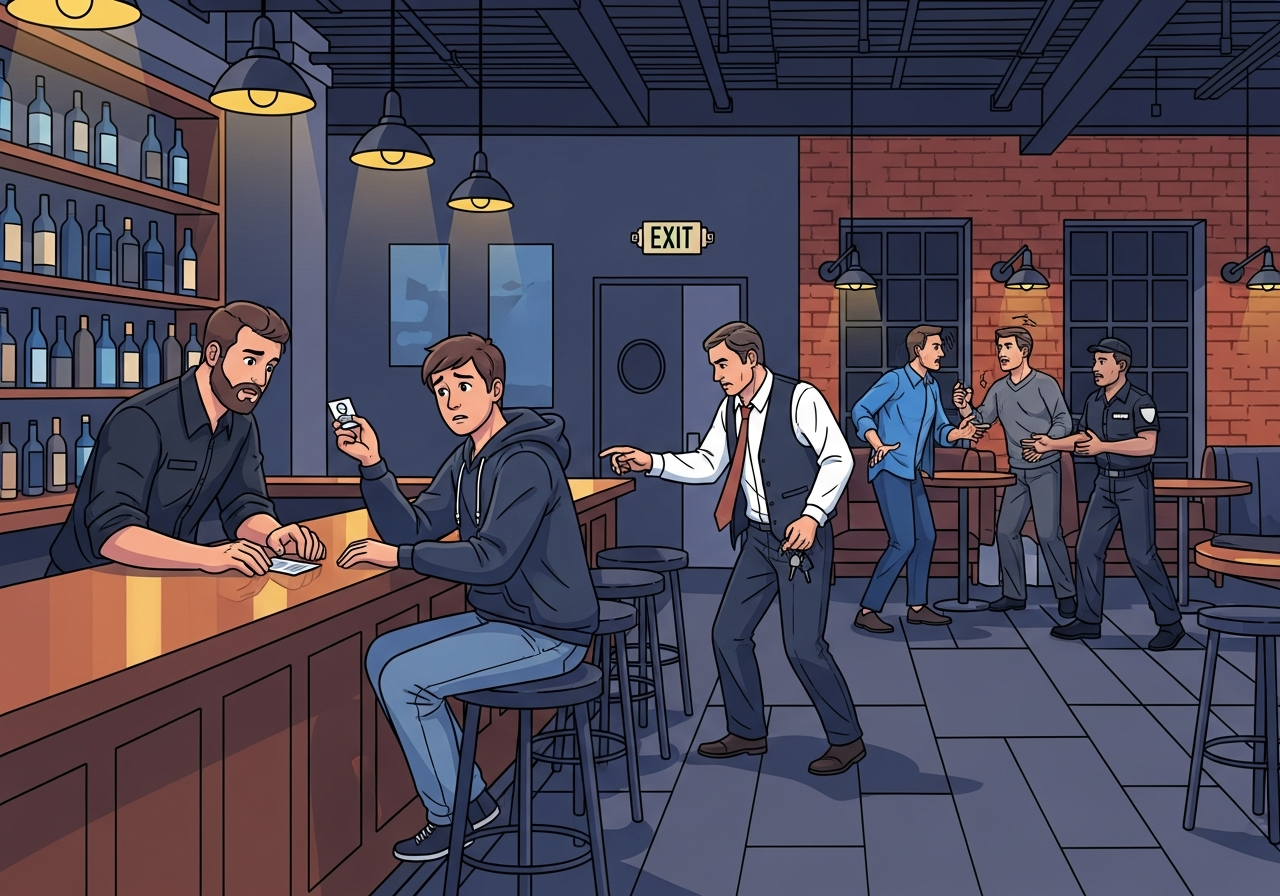
California's costliest liquor liability claims stem from three main incident patterns, each carrying unique risks that can transform routine business operations into million-dollar lawsuits.
Underage Drinking: The Silent Business Killer
Underage drinking incidents create the most severe financial consequences among California establishments. Automatic liability under Business and Professions Code Section 25658 applies when bartenders serve alcohol to anyone under 21—even with seemingly valid identification. Consider this typical scenario: a 19-year-old uses a convincing fake ID to purchase alcohol, then causes a multi-car accident while driving home. The establishment faces both criminal penalties and civil liability for all resulting damages—including medical expenses, property damage, and wrongful death claims.
Drunk Driving: Liability That Follows Patrons Home
Over-service cases form the second major claim category. Recent statistics show rising claim frequency in liquor liability, particularly from incidents involving underage drinking, drunk driving accidents, and assault cases. When establishments continue serving obviously intoxicated customers who subsequently cause accidents, liability extends far beyond the bar's property. Downtown establishments face immediate exposure when over-served customers strike family vehicles, especially when security footage reveals obvious intoxication signs that staff ignored.
Assault and Premises Liability: The Double Exposure
Violent incidents create complex liability scenarios, combining liquor liability with premises security obligations. California Alcoholic Beverage Control holds licensees generally liable for all activities occurring at licensed businesses and responsible for their agents'/employees' acts. These cases often involve multiple contributing factors: inadequate security, over-served customers, and failure to intervene during escalating situations. Physical fights between intoxicated customers expose establishments to claims for both contributing alcohol service and failure to maintain safe premises.
Employee Actions: Your Staff, Your Liability
Across all incident types, employee behavior compounds exposure through key liability triggers:
- Bartenders continuing service to obviously intoxicated customers
- Security staff using excessive force during customer removals
- Managers failing to intervene in developing dangerous situations
- Staff members participating in drinking games or encouraging excessive consumption
- Inadequate ID checking procedures
Recognizing these patterns helps establishments identify their specific risk profile and implement targeted prevention strategies addressing their most likely exposure scenarios.
Coverage Limits That Actually Match Your Risk

Poor coverage limit choices can transform manageable risks into business-ending disasters. Among Insureon customers, average liquor liability limits reach $2 million for bars and $1 million for restaurants, reflecting the fundamental risk exposure difference between establishments primarily serving alcohol versus those where alcohol represents secondary revenue.
Bars face concentrated alcohol service throughout operating hours, creating continuous exposure to intoxication-related incidents. Restaurants typically serve alcohol alongside meals, naturally limiting consumption patterns and reducing incident frequency. This risk difference justifies the coverage gap between business types.
Understanding Per-Incident vs. Aggregate Limits
Per-incident coverage typically operates at $1 million per incident with a $2 million annual cap for all claims during your policy period. Under this structure, your first incident could consume half your annual coverage, leaving reduced protection for subsequent claims within the same policy period.
Consider these coverage scenarios:
• High-Volume Nightclub: Requires maximum per-incident limits due to multiple annual incidents • Family Restaurant: Standard coverage levels accommodate lower frequency incidents • Sports Bar: Needs higher limits due to increased incident probability during game-day crowds
Real-World Coverage Adequacy Scenarios
Wrongful death claims from drunk customers' car accidents easily exceed $1 million in damages. Medical expenses, lost wages, and pain-and-suffering awards accumulate rapidly. Establishments with inadequate limits face personal asset exposure when claims exceed policy boundaries.
Assault incidents present different challenges. While assault-related claims typically face lower coverage caps, medical expenses and legal costs still mount quickly. Customers requiring emergency surgery after bar fights generate six-figure medical bills immediately, before considering potential lawsuit settlements.
Coverage Selection Guidelines
When determining appropriate limits, analyze these factors:
• Daily alcohol volume: Higher sales increase incident probability • Customer demographics: Younger crowds present elevated risk profiles • Operating hours: Late-night service correlates with intoxication incidents
Establishments operating in California's competitive hospitality market cannot afford personal asset exposure to liquor liability claims. Understanding how different policy structures affect your actual protection represents the next critical consideration.
What You'll Actually Pay: 2024 Premium Breakdown
Budgeting liquor liability protection requires understanding both baseline costs and premium-driving variables. General liability insurance for California bars typically ranges between $1,000 and $2,100 annually, but this basic coverage entirely excludes alcohol-related incidents.
Core Coverage Investment Breakdown:
• Annual general liability policies: $1,000-$2,100 for basic bar operations • Business Owner's Policy (BOP) packages: Starting at $2,900 for combined property and liability coverage • Liquor liability add-ons: Variable based on establishment type and risk factors • Average limits for Insureon customers reach $2 million for bars and $1 million for restaurants, with coverage limits reflecting risk exposure differences that require higher protection levels for bars
Premium Factors That Increase Your Costs:
• Late-night operations and high-volume alcohol sales • Previous claims history or rule violations • Urban locations with higher incident rates • Poor staff training or limited security measures • Multiple license types (beer, wine, spirits)
Cost-Reduction Strategies:
• Implementing comprehensive responsible beverage service training • Installing security cameras and adequate lighting • Maintaining clean violation records with California ABC • Bundling coverage for multi-policy discounts • Accepting higher deductibles for lower premium payments
Smart budgeting allocates fifteen to twenty percent of your total insurance budget specifically for liquor liability coverage. This percentage reflects the disproportionate risk that alcohol service creates compared to other business operations.
Selecting the right insurance carrier represents the next critical decision, determining both your premium costs and claim support quality when incidents occur.
Compliance Steps That Reduce Your Liability Exposure
Proactive compliance efforts provide dual benefits: reduced risk exposure and demonstration to insurers that your establishment deserves lower premiums. Specific actions required by California's regulatory framework directly affect both your legal standing and insurance costs.
Mandatory RBS Certification Requirements:
• The ABC requires any employee or manager who takes orders, makes drinks, or serves alcohol to patrons to be certified by an accredited responsible beverage service program, according to NEXT Insurance • Managers need additional supervisory certification beyond basic RBS requirements • Continuous compliance requires renewal certification every three years • ABC inspections require readily available documentation of completed training
Employee Training Programs Insurers Recognize:
• TIPS (Training for Intervention Procedures) certification accompanies premium discounts • ServSafe Alcohol training meets both ABC requirements and insurer standards • Regular refresher training sessions demonstrate ongoing commitment to responsible service • Monthly employee practice of incident response protocols reduces claim severity
Documentation practices separate establishments that survive claims from those facing devastating settlements. Detailed incident reports must document every refused service, customer removal, or unusual behavior. Security camera footage retained for minimum 30 days provides crucial evidence during claim investigations. Daily shift logs documenting staff certifications and any service refusals offer defense support.
California Alcoholic Beverage Control holds licensees generally liable for all activities occurring at licensed businesses and responsible for their agents'/employees' acts. Since employee actions create licensee responsibility, comprehensive training becomes your primary liability shield. Beyond certification requirements, ABC compliance extends to regular audits that identify potential violations before they become costly problems. Proper staff scheduling ensures certified employees always supervise alcohol service areas.
Insurers offer savings for establishments demonstrating consistent compliance protocols, averaging 15-25% premium reductions. These annual savings often cover enhanced training program costs within the first policy year.
Selecting coverage that matches your specific operational risks represents the next critical consideration.
Getting Coverage Before You Need It
Obtaining liquor liability insurance before your first alcohol sale prevents coverage gaps that leave establishments vulnerable to immediate lawsuits. Precise alignment between California ABC licensing and insurance procurement is essential. Attempting coverage acquisition after incidents occur results in denied claims and personal liability exposure.
Optimal Timing for Coverage Acquisition:
• Submit liquor liability insurance purchase simultaneously with ABC license application • Align coverage effective date with your first alcohol service date • Complete staff RBS certification before policy commencement, since the ABC requires any employee or manager who takes orders, makes drinks, or serves alcohol to patrons to be certified by an accredited Responsible Beverage Service program, according to NEXT Insurance • Establish coverage before soft opening or alcohol-involving training periods
Critical Questions for Insurance Providers:
• Which specific exclusions apply to on-premises assault and battery incidents? • Does policy coverage extend to private events or catering incidents? • Are legal defense costs included within policy limits or provided separately? • What documentation requirements exist for incident reporting and claims processing?
Policy Integration Red Flags:
• General liability policies completely excluding alcohol-related incidents • Effective date gaps between general liability and liquor liability coverage • Separate deductible requirements for each incident type • Exclusions for incidents involving certified staff members
Proper integration with existing business insurance results in comprehensive protection that addresses California's unique liability landscape while maintaining cost efficiency across all coverage types.
About Gillkor Insurance Team
Expert commercial insurance guidance from the Gillkor Insurance team. Specializing in California business insurance solutions.
Stay Informed About Insurance Updates
Get the latest insurance insights and tips delivered to your inbox
Subscribe to Updates